
A Comprehensive Theater Guide (Updated April 15, 2026)
Today’s date is April 15, 2026. Theater ticket exchange begins three days before the performance; select your desired seats upon arrival and payment at the reception.
What is Theater? A Brief Overview
Theater, at its core, is a collaborative art form involving live performers presenting experiences to an audience. It’s a dynamic space where stories unfold, emotions are evoked, and ideas are explored. Unlike film or television, theater’s immediacy creates a unique connection between performers and spectators.
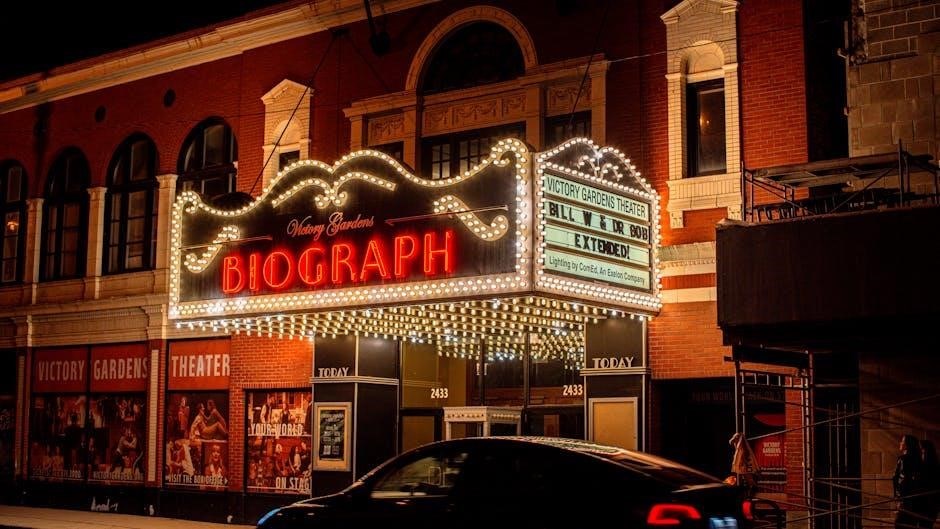
Historically, theater evolved from ancient rituals and storytelling traditions. From Greek tragedies in outdoor amphitheaters to Shakespearean plays in the Globe, it has consistently reflected societal values and human experiences. Modern theater encompasses a vast spectrum of styles, from grand musicals to intimate, experimental productions.
The essence of theater lies in its liveness – each performance is a singular event, shaped by the energy of the moment and the interaction between those on stage and in the audience. It’s a powerful medium for both entertainment and social commentary.
Types of Theatrical Performances
The world of theater is incredibly diverse, offering a wide array of performance styles to suit every taste; These performances range from elaborate productions with large casts and stunning visuals to minimalist, character-driven pieces. Understanding these different types enhances appreciation.
Common forms include musicals, which blend song, dance, and storytelling; plays, encompassing dramatic and comedic works; opera, featuring vocal performances with orchestral accompaniment; and ballet, where dance serves as the primary narrative medium. Each form possesses unique conventions and artistic goals.
Beyond these, experimental theater pushes boundaries, while immersive experiences blur the line between performer and audience. The choice depends on individual preferences and the desired theatrical experience.
Musicals: Song, Dance, and Storytelling
Musicals represent a vibrant fusion of artistic disciplines, seamlessly integrating captivating songs, dynamic dance numbers, and compelling storytelling. These productions often feature elaborate sets, dazzling costumes, and powerful vocal performances, creating a truly immersive experience for the audience.
From classic Broadway hits to contemporary productions, musicals explore a wide range of themes and emotions. The music isn’t merely accompaniment; it is integral to advancing the plot and revealing character motivations. Dance sequences amplify emotional impact and visual spectacle.
Musicals offer a uniquely uplifting and entertaining form of theater, appealing to diverse audiences with their blend of artistry and accessibility.
Plays: Dramatic and Comedic Works
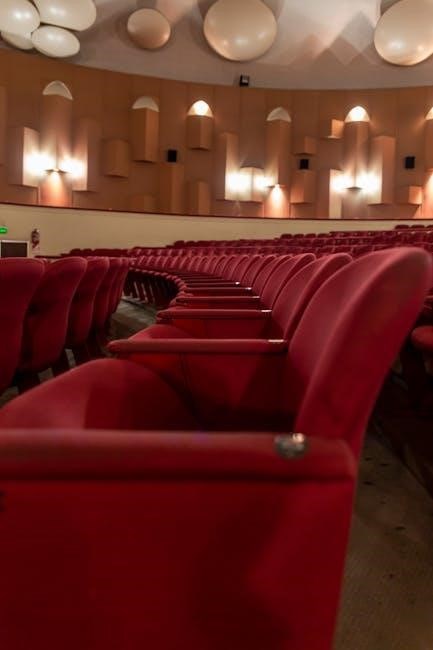
Plays form the cornerstone of theatrical tradition, encompassing a vast spectrum of dramatic and comedic narratives; Unlike musicals, plays primarily rely on dialogue and acting to convey stories, explore complex themes, and provoke thought. They offer a raw and intimate connection between performers and the audience.
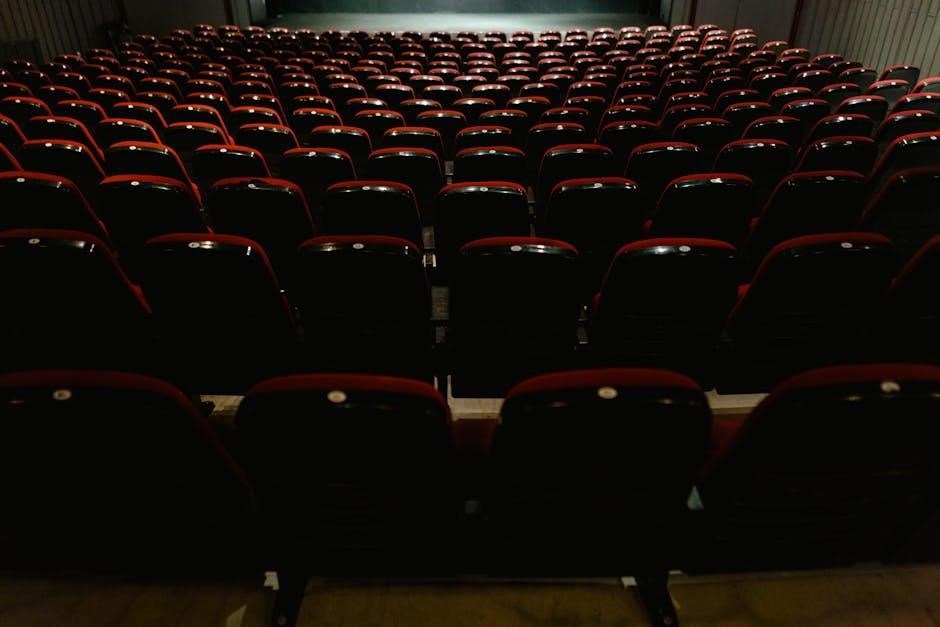
Dramatic plays often delve into serious subjects, examining the human condition with nuance and depth. Comedic plays, conversely, aim to entertain through wit, satire, and relatable situations. Both genres demand skillful performances and compelling writing.
Plays provide a powerful platform for social commentary and artistic expression, fostering empathy and understanding.
Opera: Vocal Performances with Orchestral Accompaniment
Opera represents a grand and emotive art form, distinguished by its fully staged vocal performances accompanied by a live orchestra. It’s a synthesis of music, drama, and visual spectacle, often featuring elaborate costumes and sets. Operatic narratives frequently draw from history, mythology, and literature, exploring universal themes of love, loss, and power.
The power of the human voice is central to opera, with singers employing specialized techniques to project over the orchestra without amplification. Orchestral scores are complex and richly textured, enhancing the emotional impact of the story.
Opera offers a uniquely immersive and unforgettable theatrical experience.
Ballet: Dance as a Primary Storytelling Medium
Ballet is a highly formalized form of dance, renowned for its grace, precision, and athleticism. Unlike other performance types, ballet primarily utilizes movement – codified steps and gestures – to convey narrative and emotion. It’s a visual language where dancers embody characters and tell stories through their bodies.
Classical ballet often adheres to traditional techniques, emphasizing turnout, pointe work, and flowing lines; Contemporary ballet explores more abstract and experimental movements, pushing the boundaries of the art form.

Ballet offers a captivating and visually stunning theatrical experience, communicating complex emotions without spoken words.
Finding Theater Tickets
Securing tickets to a theatrical performance requires a bit of planning, but numerous avenues exist to suit various budgets and preferences. Online ticket vendors offer convenience and a wide selection, allowing comparison shopping from home. Direct purchase from the box office guarantees authenticity and sometimes avoids service fees.
For budget-conscious theatergoers, rush tickets and lotteries provide affordable options, though availability is unpredictable. Discount ticket programs, like TKTS booths, offer significantly reduced prices for same-day performances.
Early booking is generally recommended, especially for popular shows, to ensure the best seat selection.
Online Ticket Vendors: Convenience and Choice
Numerous online platforms streamline the ticket-buying process, offering unparalleled convenience and a vast selection of shows. Websites like Ticketmaster, Telecharge, and TodayTix allow users to browse performances, compare seating charts, and purchase tickets from anywhere with an internet connection.
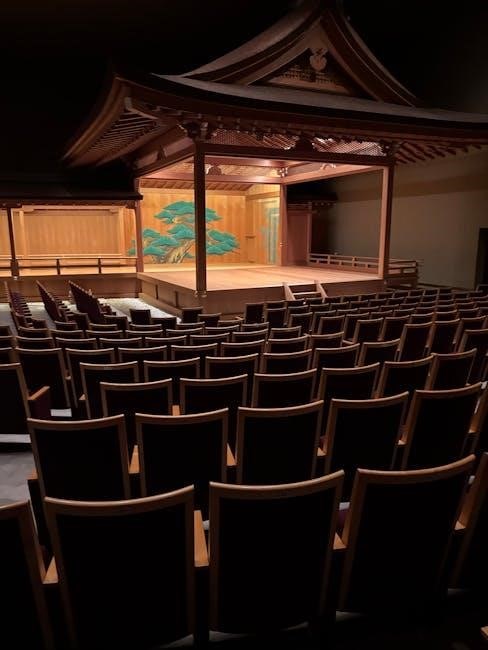
These vendors often feature user reviews, show information, and even digital ticket delivery, eliminating the need for physical tickets. However, be mindful of potential service fees and always verify the vendor’s legitimacy to avoid scams. Comparing prices across multiple platforms is advisable to secure the best deal.
Box Office Purchases: Direct from the Source
Purchasing tickets directly from the theater’s box office remains a reliable option, offering a personal touch and potentially avoiding online fees. This method allows for direct interaction with theater staff who can answer questions about the show, seating options, and accessibility.
Box offices typically accept various payment methods, including cash, credit cards, and sometimes even checks. Arriving early, especially for popular shows, is recommended to secure preferred seats. Remember that ticket exchange often begins three days prior to the performance, allowing for seat selection upon payment at the reception.
Rush Tickets & Lotteries: Affordable Options
For budget-conscious theatergoers, rush tickets and lotteries present exciting opportunities to experience performances at significantly reduced prices. Rush tickets are typically sold on the day of the performance, often when the box office reopens, and are available on a first-come, first-served basis.
Lotteries, often digital, allow patrons to enter for a chance to purchase discounted tickets. Winning entries are usually drawn a few hours before the show. Ticket exchange often begins three days before the performance, but these options bypass that initial window, offering last-minute affordability. Be prepared for potential lines and limited availability!
Discount Ticket Programs: TKTS Booths and More
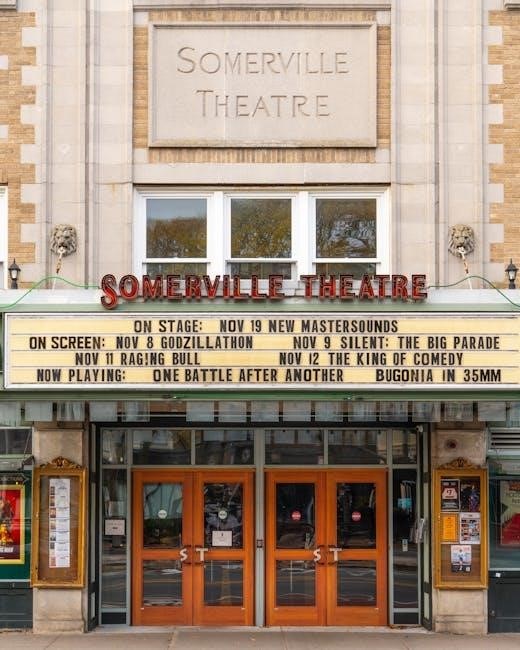
Seeking affordable theater experiences? Explore discount ticket programs! The iconic TKTS booths, found in major cities like New York and London, offer same-day discounts on a wide range of shows. These booths operate on a first-come, first-served basis, so arrive early for the best selection.
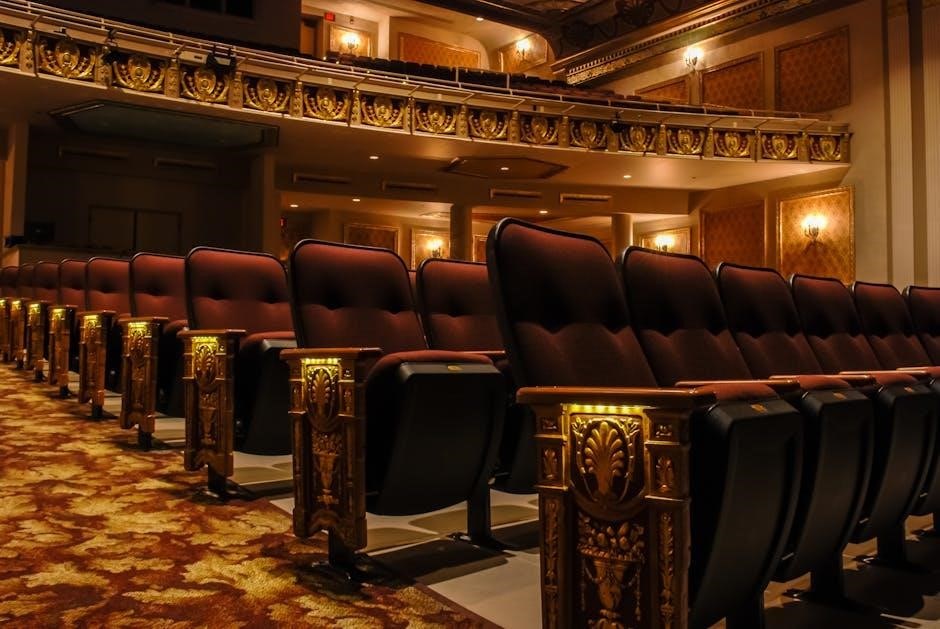
Beyond TKTS, numerous online platforms and local organizations provide discounted tickets. Many theaters also participate in programs offering reduced prices to students, seniors, and members of specific groups. Remember that ticket exchange often starts three days prior, but these programs offer alternatives!
Understanding Theater Etiquette
Attending the theater is a shared experience, demanding respect for performers and fellow audience members. Arrive promptly; late seating is often restricted to avoid disrupting the performance. Once seated, refrain from talking, unwrapping noisy candies, or using electronic devices – silence is golden!
Photography and recording are almost universally prohibited during performances, protecting the artists’ work and the immersive experience for everyone. Be mindful of your surroundings, avoid excessive movements, and remember that laughter and applause are welcome responses to the show. Ticket exchange rules apply before the show!
Arrival and Seating Procedures
Plan to arrive at the theater with ample time before the scheduled curtain. Ushers will guide you to your assigned seats, so have your tickets readily available – either printed or digitally displayed. Remember ticket exchange is available three days prior to the show.
Be prepared to present your ticket to the usher, who will scan or verify it. If you have accessibility needs, inform the usher upon arrival for appropriate assistance. Once directed to your seat, please proceed quietly and respectfully, minimizing disruption to those already seated. Designated opening times are crucial for a smooth entry.
During the Performance: Silence and Respect
Maintaining a respectful atmosphere is paramount during a theatrical performance. Please silence all electronic devices – this includes cell phones, watches, and any other gadgets that might emit noise. Refrain from talking, whispering, or making any unnecessary sounds that could distract performers or fellow audience members.
Avoid rustling wrappers, unwrapping candies, or engaging in any disruptive behavior. The performers have dedicated themselves to their craft, and your attentiveness enhances the experience for everyone. Remember, the theater is a shared space requiring collective consideration and quiet enjoyment of the art form.
Photography and Recording Restrictions
Protecting the artistic integrity of the performance is crucial, and therefore, photography and recording of any kind are strictly prohibited during the show. This includes taking pictures, videos, or making audio recordings, even without a flash. These restrictions are in place to safeguard the copyrights of the playwright, composer, and performers.
Unauthorized recording disrupts the performance and undermines the artists’ livelihood. Respect the performers’ rights and the immersive experience for all audience members. Violators may face legal consequences and removal from the theater. Enjoy the show fully, and leave capturing memories to professional documentation when permitted.
Key Theater Districts Around the World
Global hubs of theatrical excellence offer diverse experiences for enthusiasts. Broadway in New York City remains the gold standard, renowned for its large-scale productions and innovative performances. London’s West End boasts a rich history and a vibrant scene, presenting both classic revivals and cutting-edge new works.
Beyond these giants, explore Off-Broadway and Off-West End venues. These spaces nurture experimental and independent theater, providing platforms for emerging artists and unconventional storytelling. From Tokyo to Paris, numerous cities cultivate thriving theater communities, each with unique cultural influences and artistic expressions. Discovering these districts enriches the global theater landscape.

Broadway (New York City): The Global Standard
Broadway represents the pinnacle of commercial theater, attracting massive audiences and critical acclaim. Its theaters, clustered in the Theater District of Manhattan, host lavish productions featuring renowned performers and state-of-the-art technology. From iconic musicals like “The Phantom of the Opera” to groundbreaking plays, Broadway consistently pushes creative boundaries.
The competitive nature of Broadway drives innovation and spectacle. Securing a Tony Award signifies industry recognition and often boosts a show’s longevity. Beyond the glitz and glamour, Broadway contributes significantly to New York City’s economy and cultural identity, remaining a global benchmark for theatrical excellence.
West End (London): A Historic Hub
London’s West End is a vibrant theater district, steeped in history and tradition, rivaling Broadway in prestige and popularity. Concentrated primarily in and around Shaftesbury Avenue, it boasts a diverse range of venues, from grand Victorian theaters to intimate playhouses. The West End showcases both long-running hits and innovative new productions, attracting both local and international audiences.
Unlike Broadway’s reliance on large-scale musicals, the West End often features a more balanced repertoire, including classic dramas and contemporary works. Its accessibility and relatively affordable ticket prices contribute to its enduring appeal, solidifying its position as a global center for performing arts.
Off-Broadway & Off-West End: Experimental and Independent Theater
Beyond the bright lights of Broadway and the West End lies a thriving world of Off-Broadway and Off-West End theater. These venues serve as crucial incubators for new talent and innovative works, often pushing artistic boundaries and challenging conventional theatrical norms. Typically housed in smaller, more intimate spaces, these productions offer a unique and immersive experience for audiences.
These theaters frequently feature emerging playwrights, directors, and actors, providing a platform for experimentation and risk-taking. Ticket prices are generally lower, making them accessible to a wider range of theatergoers seeking cutting-edge and thought-provoking performances.
Preparing for Your Theater Visit
Enhance your theater experience with a little pre-planning! Consider the dress code – while formal attire isn’t always required, smart casual is generally a safe bet. Allow ample time for pre-show dining; many theaters are surrounded by excellent restaurants offering pre-theater menus.
Crucially, investigate accessibility options if needed. Most theaters offer accommodations for patrons with disabilities, including wheelchair access, assistive listening devices, and accessible restrooms. Confirm these arrangements when booking tickets. Finally, familiarize yourself with the theater’s location and transportation options to ensure a stress-free arrival.
Dress Code: What to Wear
Navigating theater attire can feel daunting, but it’s generally more relaxed than you might think! While grand premieres or gala performances often call for formal wear – think suits, cocktail dresses, or even gowns – most productions welcome smart casual attire.
Comfort is key; you’ll be seated for a considerable time. Consider layers, as theater temperatures can fluctuate. Avoid overly casual clothing like beachwear or athletic gear. Ultimately, dressing respectfully shows consideration for the performers and fellow audience members. When in doubt, err on the side of slightly more dressed up!
Pre-Show Dining: Restaurants Near Theaters
Enhance your theater experience with a delightful pre-show meal! Many theaters are located in vibrant districts brimming with dining options. Research restaurants in the immediate vicinity, considering cuisine preferences and budget.
Allow ample time – at least 90 minutes – to enjoy your meal without rushing. Reservations are highly recommended, especially for popular restaurants and weekend performances. Explore options ranging from casual bistros to upscale dining establishments. Some theaters even offer pre-theater menus designed for quick and efficient service, ensuring you arrive at your seat on time and fully satisfied!
Accessibility Options: Accommodations for All
Theaters strive to be inclusive, offering various accommodations for patrons with disabilities. Wheelchair accessibility is standard in most venues, with designated seating areas available. Assistive listening devices amplify sound for those with hearing impairments, and audio description services provide verbal narration of visual elements for visually impaired patrons.
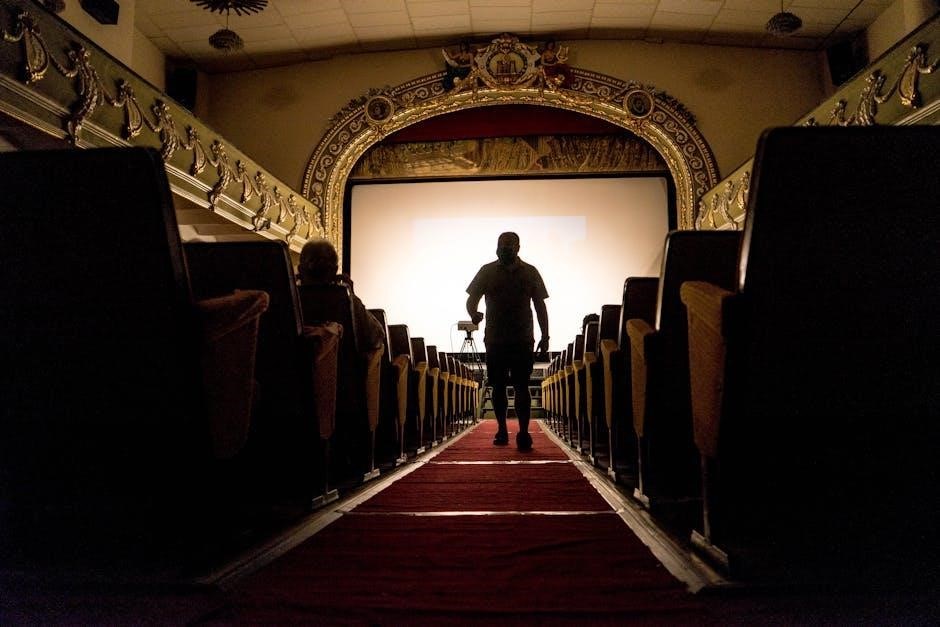
Contact the theater directly to inquire about specific needs and arrange accommodations in advance. Many theaters offer relaxed performances with adjusted lighting and sound levels for individuals with sensory sensitivities. Captioning and sign language interpretation may also be available. Dedicated staff are usually on hand to provide assistance and ensure a comfortable experience for all.